
What Are The Side Effects Of Botox In Smokers Lines?
January 11, 2026
Book a Dermal Filler Consultation at It’s Me and You Clinic with Dr. Laura Geige
Potential Side Effects
Common Side Effects
Botox injections, primarily used for wrinkle reduction, can have potential side effects associated with its application to smoker’s lines.
Smoker’s lines, also known as perioral lines or vertical lines around the mouth, are often treated with Botox to smooth their appearance. While generally considered safe, it’s essential to be aware of potential complications that may arise.
Common side effects of Botox for smoker’s lines typically occur within the first few days after treatment and are usually mild and temporary. These can include:
• Redness or swelling at the injection site
• Bruising, which may be more common in individuals who take blood-thinning medications
• Headaches, often described as mild and transient
• Drooping eyelids (ptosis) or eyebrow asymmetry, usually resolving within a few days to weeks
Less common but more serious side effects are rare but should be monitored. These include:
• Muscle weakness in surrounding areas beyond the injection site
• Difficulty swallowing or speaking
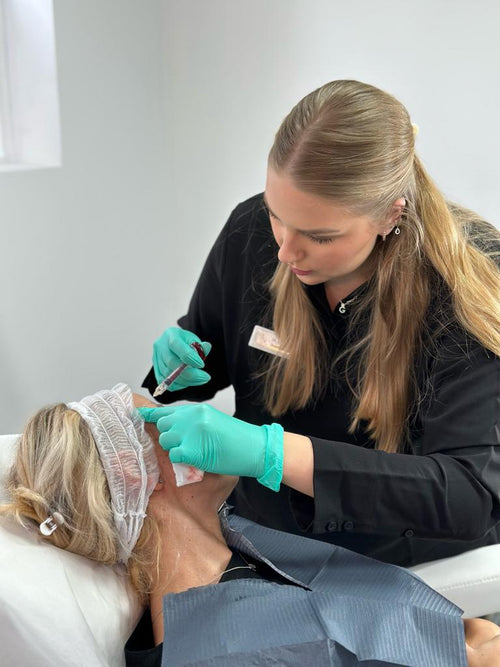
• Flu-like symptoms, such as fever and muscle aches
It’s important to note that smoking can potentially increase the risk of side effects from Botox.
Nicotine in cigarettes can constrict blood vessels, which may hinder proper toxin absorption and distribution. Additionally, smokers might have compromised tissue healing, potentially prolonging side effects or increasing the likelihood of complications.
If you experience any unusual or persistent side effects after receiving Botox for smoker’s lines, it’s crucial to contact your doctor immediately.
Mild Bruising or Swelling
Mild bruising or swelling at the injection site is a common and temporary side effect of Botox injections, including those used for smoker’s lines.
Here’s a more detailed look:
- Cause: The small needles used to inject Botox can cause minor trauma to blood vessels, leading to bruising. Swelling occurs as the body responds to the injection and begins healing.
- Location: Bruising and swelling are most common around the injection site on the forehead, between the eyebrows, and around the lips.
- Duration: Most people experience minimal bruising that fades within a few days. Swelling typically resolves within a week.
- Management:
- Applying a cold compress to the injection site for 10-15 minutes at a time can help reduce swelling and discomfort.
- Arnica cream may also be helpful in reducing bruising.
- Smoking and Side Effects: Smokers may be more prone to bruising and slower healing due to nicotine’s impact on blood vessels.
Schedule a Dermal Filler Appointment with Dr. Laura Geige Now
It’s important to remember that these side effects are generally mild and temporary. If you have any concerns about bruising or swelling after a Botox treatment, consult with your doctor or dermatologist.
Asymmetrical Appearance
Botox, when used to address smoker’s lines (those vertical creases that appear above the upper lip), can have potential side effects like any medical procedure.
Common and usually temporary side effects include bruising, swelling, redness, and tenderness at the injection site. These typically resolve within a few days to a week.
Less common but more concerning side effects can occur, including:
– **Asymmetrical Appearance:** While Botox is designed to smooth wrinkles symmetrically, individual results may vary. Muscle weakness from Botox can sometimes be uneven, leading to a slightly asymmetrical appearance, particularly if there are pre-existing asymmetries in facial muscles.
– **Drooping Eyebrow or Eyelid:** If Botox migrates from the intended injection site, it can affect adjacent muscles, causing an eyelid droop (ptosis) or eyebrow asymmetry.
– **Headache:** Botox injections can trigger headaches in some individuals, usually mild and temporary.
– **Flu-like Symptoms:** Some people experience flu-like symptoms such as fatigue, muscle aches, or fever following Botox treatment.
It’s crucial to consult a qualified and experienced injector for Botox treatments. They will assess your individual anatomy, facial symmetry, and medical history to minimize the risk of complications and achieve the desired aesthetic outcome.
Before undergoing any cosmetic procedure, it’s essential to discuss potential side effects and risks with your healthcare provider.
Headache
Smokers’ lines, also known as perioral wrinkles, are caused by repeated facial muscle contractions from smoking. While Botox is generally safe and effective for treating wrinkles, there are potential side effects associated with its use, some of which may be more common in individuals who smoke.
Common side effects of Botox injections include temporary bruising, redness, swelling, pain, and itching at the injection site. These side effects usually resolve within a few days to a week. Smokers may experience these side effects with greater severity due to potential impaired blood circulation caused by smoking.
Headaches are also a known side effect of Botox, though they are typically mild and temporary. The mechanism behind Botox-induced headaches is not fully understood, but it’s thought that the spread of the toxin from the injection site to nearby nerves may contribute. Smokers may be more susceptible to headaches due to smoking-related blood vessel constriction.
Another potential side effect specific to smokers is an increased risk of Botox migrating to unintended areas. Smoking can potentially interfere with the body’s natural breakdown of Botox, leading to a longer duration of action and a higher likelihood of spread.
It’s important to note that individual reactions to Botox vary, and not everyone who smokes will experience these side effects. However, it’s crucial to discuss your medical history, including smoking habits, with your doctor before undergoing Botox treatment to ensure you are informed of the potential risks and benefits.
If you experience any unusual or concerning side effects after receiving Botox injections, it is important to contact your healthcare provider immediately.
Less Common Side Effects
Botox is a popular cosmetic treatment used to reduce the appearance of wrinkles and fine lines, particularly those caused by repetitive facial movements. However, like any medical procedure, Botox can have potential side effects. It’s important to understand both common and less common side effects before undergoing this treatment.
Common Side Effects usually appear within a few days after injection and typically resolve on their own within a week or two. These may include:
– **Bruising** at the injection site
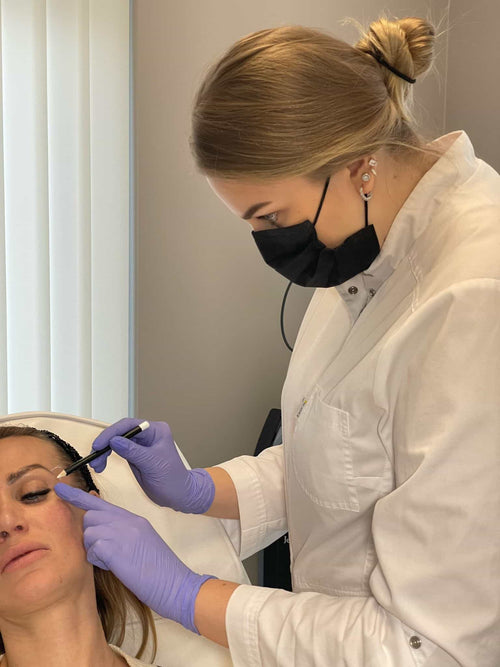
– Redness or swelling
– Headache**
– Eyebrow droop** (usually temporary)
– **Pain**, tenderness, or firmness at the injection site.
Less common side effects are less frequent and may last longer. They can occur in a small percentage of people who receive Botox injections. Some less common side effects include:
– **Asymmetry**: One side of the face might appear more relaxed than the other.
– **Muscle weakness**: This can spread beyond the injection site, potentially affecting nearby muscles.
– **Difficulty swallowing or breathing** (rare but serious; seek immediate medical attention if this occurs).
– **Spread of Botox to surrounding tissues**: This can cause unintended muscle paralysis and drooping in areas outside of the treatment area.
– Allergic reaction**: Though rare, some individuals may experience allergic reactions to Botox.
It’s crucial to consult with a qualified and experienced medical professional before undergoing any cosmetic procedure, including Botox injections. They can assess your individual suitability for the treatment, discuss potential risks and benefits, and ensure that you understand all possible side effects.
Drooping Eyelid or Eyebrow
Drooping eyelids or eyebrows, medically known as ptosis, can be a potential side effect of Botox injections, particularly when administered around the forehead and eyes.
Here’s a detailed explanation of this side effect:
• **How it Happens:**
Botox works by temporarily paralyzing muscles. When injected near the eyebrows or eyelids, Botox can spread to surrounding muscles responsible for lifting these areas. This can lead to weakness and drooping.
• **Risk Factors:**
The risk of ptosis is higher in individuals who:
- Have had previous Botox treatments in the area, as repeated injections can increase the risk of muscle atrophy and subsequent drooping.
- Are smokers. Nicotine constricts blood vessels, potentially slowing down Botox diffusion and increasing the likelihood of it settling in unwanted areas.
- Receive large or improperly placed injections.
• **Severity:**
Ptosis can range from mild to severe. In some cases, the eyelid may only droop slightly, while in others, it can completely close.
• **Duration:**
Like all Botox effects, ptosis is temporary and typically resolves within a few months as the muscle recovers.
• **Treatment:**
If drooping occurs, options may include:
- Time: Often, the effect will naturally resolve on its own.
- Botox to Revert it: In some cases, a small dose of Botox can be injected into the affected muscle to reverse the paralysis.
It’s important to note that any potential side effects should always be discussed with a qualified medical professional who administered the Botox treatment. They can assess the situation and recommend appropriate management strategies.
Difficulty Swallowing or Speaking
Botox injections are a common cosmetic procedure used to temporarily reduce the appearance of wrinkles, particularly those caused by repeated facial muscle contractions. While generally safe and effective, like any medical procedure, Botox can have potential side effects.
Difficulty swallowing or speaking can be a rare but serious side effect of Botox, especially if it spreads beyond the intended injection site.
This occurs when the toxin affects muscles involved in these functions.
The risk of experiencing these side effects is generally low, particularly when administered by a qualified and experienced practitioner.
However, it’s important to be aware of the potential risks and discuss them with your doctor before undergoing Botox treatment.
If you experience any difficulty swallowing or speaking after receiving Botox, seek medical attention immediately.
Muscle Weakness
Potential side effects of Botox injections, especially in areas prone to smoker’s lines like the forehead and around the eyes, can vary from person to person.
Some common side effects include:
- Bruising or redness at the injection site
- Headache
- Ptosis (drooping eyelid)
- Facial asymmetry
- Pain or tenderness around the injection site
- Temporary muscle weakness
**Muscle Weakness** can occur as a result of Botox temporarily paralyzing the muscles targeted for treatment. This is a normal side effect and typically resolves within a few days to weeks.
In rare cases, muscle weakness can spread beyond the treated area.
It’s important to note that smoking can potentially increase the risk of side effects, including muscle weakness, from Botox injections.
This is because nicotine constricts blood vessels, which can hinder the absorption and distribution of Botox and increase the chance of localized complications.
If you experience any unusual or concerning side effects after receiving Botox, it’s essential to consult your doctor immediately.
Factors Influencing Side Effects
Smoking and Skin Health
Botox, a neurotoxin derived from bacteria, is primarily used to temporarily paralyze muscles. While it effectively reduces the appearance of wrinkles by relaxing facial muscles, certain factors can influence its effectiveness and potentially increase the risk of side effects, especially for smokers.
Smoking significantly impacts skin health in various ways, creating a less than ideal environment for Botox treatment. Cigarette smoke contains harmful chemicals that damage collagen and elastin fibers, the proteins responsible for skin’s strength and elasticity. This damage weakens the skin’s structure, making it more prone to wrinkles and sagging.
Moreover, smoking constricts blood vessels, reducing blood flow to the skin. This deprivation of oxygen and nutrients impairs skin cell regeneration and repair processes, further hindering its ability to heal properly after Botox injections. Additionally, smoking can accelerate collagen breakdown, diminishing the longevity of Botox’s effects.
The combination of these factors increases the likelihood of several potential side effects associated with Botox in smokers:
1. **Reduced Effectiveness:** The compromised skin structure and reduced blood flow may hinder Botox from effectively reaching its target muscles, leading to less noticeable results or a shorter duration of action.
2. **Uneven Results:** Smoking can cause irregular collagen distribution in the skin, potentially resulting in uneven muscle paralysis and an unnatural appearance.
3. **Delayed Healing:** Nicotine constricts blood vessels, slowing down tissue repair and increasing the risk of bruising and swelling around the injection sites.
4. **Increased Risk of Infection:** Smoking weakens the immune system, making smokers more susceptible to infections at injection sites.
It is important for individuals who smoke to understand these potential risks and discuss them openly with their doctor before considering Botox treatment. In some cases, quitting smoking prior to and after treatment may be recommended to optimize outcomes and minimize side effects.
Individual Reactions to Botox Dosage and Administration Technique
Numerous factors can influence the occurrence and severity of side effects associated with Botox injections, particularly in treating smoker’s lines.
These include individual patient characteristics, dosage variations, and the technique employed by the administering physician.
**Individual Variability**: Each person responds differently to Botox due to genetic makeup, skin thickness, muscle tone, and metabolism. Some individuals may be more susceptible to side effects like bruising or swelling.
**Dosage**: The amount of Botox injected directly correlates with potential side effects. Higher doses can increase the likelihood and intensity of adverse reactions.
**Administration Technique**: Precise injection placement is crucial. Improper technique can result in unintended muscle paralysis, drooping eyelids, or an asymmetrical appearance.
**Anatomical Variations**: The underlying musculature and anatomy of smoker’s lines can vary between individuals. This can affect how Botox spreads and its overall efficacy.
**Smoking**: Smokers may experience more pronounced bruising and slower healing due to the impact of nicotine on blood vessels and collagen production.
**Other Medications**: Certain medications, such as anticoagulants, can increase the risk of bleeding complications following Botox injections.
**Medical Conditions**: Pre-existing conditions like allergies or neuromuscular disorders may necessitate careful consideration before administering Botox.
Open communication between the patient and the qualified medical professional performing the Botox procedure is essential for minimizing risks and maximizing outcomes.
Minimizing Risks and Complications
Choosing a Qualified Practitioner
Minimizing risks and complications associated with any medical procedure, including Botox injections for smoker’s lines, begins with careful consideration and preparation.
Choosing a *qualified practitioner* is paramount. Look for a board-certified dermatologist, plastic surgeon, or physician who specializes in injectables and has extensive experience treating smoker’s lines specifically.
Ensure they are licensed and practice in a sterile environment. Don’t hesitate to ask about their training, experience, and the types of Botox products they use.
Thoroughly discuss your medical history with the practitioner, including any medications you take, allergies you have, and previous cosmetic procedures.
Be honest about your smoking habits, as nicotine can interfere with healing and potentially increase the risk of complications.
On the day of the procedure, avoid alcohol or blood thinners as directed by your practitioner.
Follow their pre- and post-procedure instructions carefully to minimize risks and optimize results.
Smoking can increase the risk of bruising and complications from Botox injections.
It is crucial to cease smoking for several weeks before and after treatment, if possible.
Be aware that individuals who smoke may require more frequent touch-up appointments to maintain the desired results.
Pre-Treatment Consultation and Assessment
Minimizing risks and complications associated with Botox treatment for smoker’s lines requires a comprehensive pre-treatment consultation and assessment.
During this consultation, a qualified medical professional will thoroughly evaluate your medical history, including any existing conditions or medications you are taking. This is crucial to identify potential interactions or contraindications that could increase the risk of adverse effects.
A detailed discussion about your smoking habits is essential. Smoking significantly impairs wound healing and blood circulation, which can exacerbate bruising, swelling, and the overall effectiveness of Botox injections. It’s important to be transparent about your smoking frequency and duration as it will directly influence treatment recommendations and expectations.
The assessment should also include a physical examination of your face, specifically focusing on the smoker’s lines. The practitioner will determine the severity of the wrinkles, your facial muscle structure, and any underlying skin conditions that might affect treatment outcomes.
Based on this evaluation, the doctor will create a personalized treatment plan, adjusting injection techniques and dosages to minimize risks and optimize results. They may recommend lifestyle modifications, such as temporarily reducing or quitting smoking before and after the procedure, to further enhance healing and reduce complications.
Open communication is key throughout the entire process. Don’t hesitate to ask questions about potential side effects, recovery expectations, and any concerns you may have. A thorough pre-treatment consultation and assessment are fundamental steps in ensuring a safe and effective Botox experience for individuals with smoker’s lines.
Following Post-Treatment Instructions
Minimizing risks and complications following any cosmetic procedure, including treatment for smoker’s lines with Botox, relies heavily on meticulous preparation and diligent post-treatment care.
Before undergoing Botox injections, it’s crucial to have a thorough consultation with a qualified and experienced practitioner. They will assess your medical history, current medications, and individual needs to determine if you are a suitable candidate for treatment and to discuss potential risks and benefits.
Open communication is key throughout the process. Be honest about any smoking habits or other health concerns as they can influence both the effectiveness of the treatment and the likelihood of complications.
On the day of your appointment, follow all pre-treatment instructions provided by your practitioner. This may include avoiding alcohol or blood thinners for a certain period beforehand. Arriving at the appointment well-hydrated is also essential.
After treatment, adhering to post-treatment instructions diligently is paramount. Your practitioner will provide specific guidelines tailored to your individual needs. These typically involve:
• Avoiding strenuous activity or excessive sun exposure for a few days to minimize bruising and swelling.
• Refraining from touching or massaging the treated area, as this can disrupt the Botox distribution and potentially cause uneven results.
• Maintaining good hydration by drinking plenty of water to promote optimal healing.
• Reporting any unusual symptoms or adverse reactions to your practitioner promptly.
Consult Dr. Laura Geige for Your Dermal Fillers Now
Smoking can negatively impact the effectiveness of Botox injections and increase the risk of complications, including bruising, swelling, and delayed muscle recovery. Quitting smoking before and after treatment is highly recommended for maximizing results and minimizing risks.
Back to Work Experts Cafe Sant Jaume Valencia Mind Plus Motion The First Come First Served Your Relationship Edge

- What Are The Side Effects Of Botox In Smokers Lines? - January 11, 2026
- What Are The Differences Between CBD Infused Gummies And Capsules - January 8, 2026
- What Are The Alternatives To Nasolabial Fillers? - January 6, 2026